
- English
- Español
- Português
- русский
- Français
- 日本語
- Deutsch
- tiếng Việt
- Italiano
- Nederlands
- ภาษาไทย
- Polski
- 한국어
- Svenska
- magyar
- Malay
- বাংলা ভাষার
- Dansk
- Suomi
- हिन्दी
- Pilipino
- Türkçe
- Gaeilge
- العربية
- Indonesia
- Norsk
- تمل
- český
- ελληνικά
- український
- Javanese
- فارسی
- தமிழ்
- తెలుగు
- नेपाली
- Burmese
- български
- ລາວ
- Latine
- Қазақша
- Euskal
- Azərbaycan
- Slovenský jazyk
- Македонски
- Lietuvos
- Eesti Keel
- Română
- Slovenski
- मराठी
- Srpski језик
چین isostatic گریفائٹ مینوفیکچررز، سپلائرز، فیکٹری
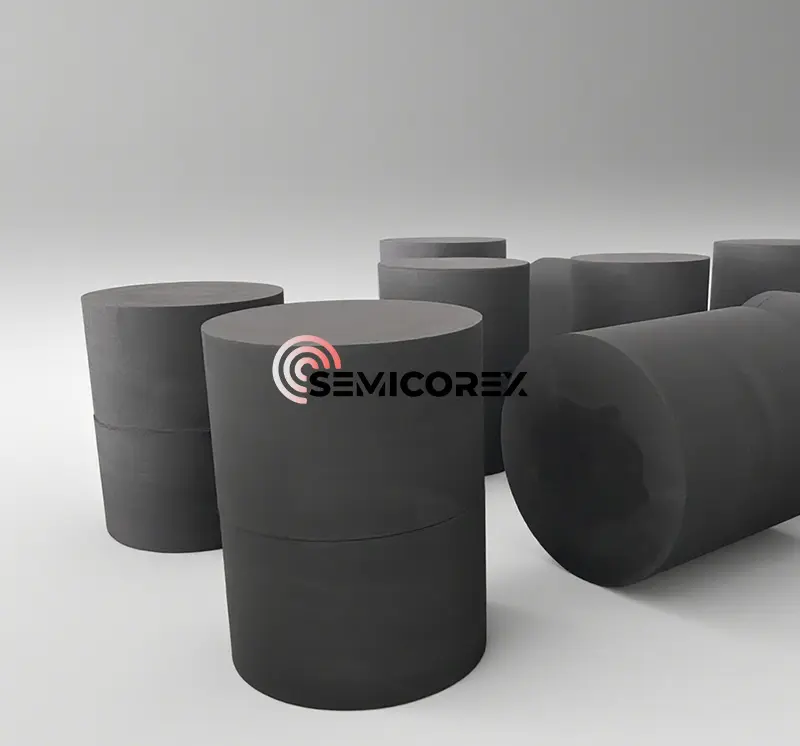
Carbon/graphite material molding essentially involves increasing the density of the powder mixture and ensuring close contact between the aggregate and binder to produce a green body with a desired size, morphology, and minimal machining allowance. The four main molding methods are extrusion, compression molding, vibration molding, and isostatic pressing. Common carbon/graphite materials on the market (for example, charcoal used for household fires) are mostly formed using hot extrusion and compression molding (cold or hot). Isostatic pressing offers superior molding performance.
The principle of isostatic pressing is based on Pascal's law: pressure applied to a medium (liquid or gas) in a sealed container is uniformly distributed in all directions, with the pressure on the surface being proportional to the surface area. Isostatic pressing involves placing a sample, enclosed in a sealed container, within a high-pressure cylinder. Leveraging the incompressible nature of the liquid medium and its ability to uniformly transmit pressure, the sample is uniformly pressed from all directions. When the fluid is injected into the cylinder, the pressure is evenly transmitted in all directions according to the principles of fluid mechanics. The sample in the cylinder is then subjected to uniform pressure in all directions.
Due to the isostatic pressing method, isostatically pressed graphite exhibits excellent isotropy, with properties independent of shape, size, or sampling direction. The material possesses a dense microstructure, high mechanical strength, high surface hardness, and oxidation resistance. Strong performance and high-temperature resistance; the material has excellent thermal shock resistance and is less susceptible to cracking under rapid cooling and heating conditions.
1. Isotropy
Different molding methods result in different properties in different directions. This is primarily reflected in resistivity, thermal conductivity, mechanical properties, and thermal expansion coefficient. The general measurement method is to sample the product perpendicular to and horizontally from the pressure surface, measure the properties separately, and then divide the smallest value by the largest value to obtain the isotropy ratio.
Traditional carbon/graphite products exhibit significant anisotropy, i.e., the properties of the product are different in the directions perpendicular to and horizontal to the pressure surface. The corresponding difference in performance is generally greater than 1:1.1, hence the term anisotropy. In many cases, this difference is fully exploited, and the greater the difference, the better. Examples include graphite electrodes for steelmaking and brushes for motors. Many applications, such as EDM and single-crystal silicon thermal field applications, increasingly require carbon/graphite products to exhibit isotropy (with an orientation ratio within the 1:1.05 range).
2. Large Dimensions
The market is increasingly demanding larger product sizes. For example, single-crystal silicon products have grown from 6- and 8-inch sizes to 12-inch sizes. The size of graphite materials used in thermal fields is also increasing. This is also increasing. Similar trends are seen in other related industries. Graphite for EDM, continuous casting, and nuclear reactors also requires large-scale products. This is difficult to achieve using molding and extrusion methods. The primary problem with large-scale product production is calcination cracking, and the larger the product, the higher the chance of calcination cracking.
3. Fine Structure
As a structural material, it requires high physical and chemical properties. On the one hand, the finer the particle size of the carbon particles that make up the carbon/graphite material, the denser its texture and the higher its mechanical strength.
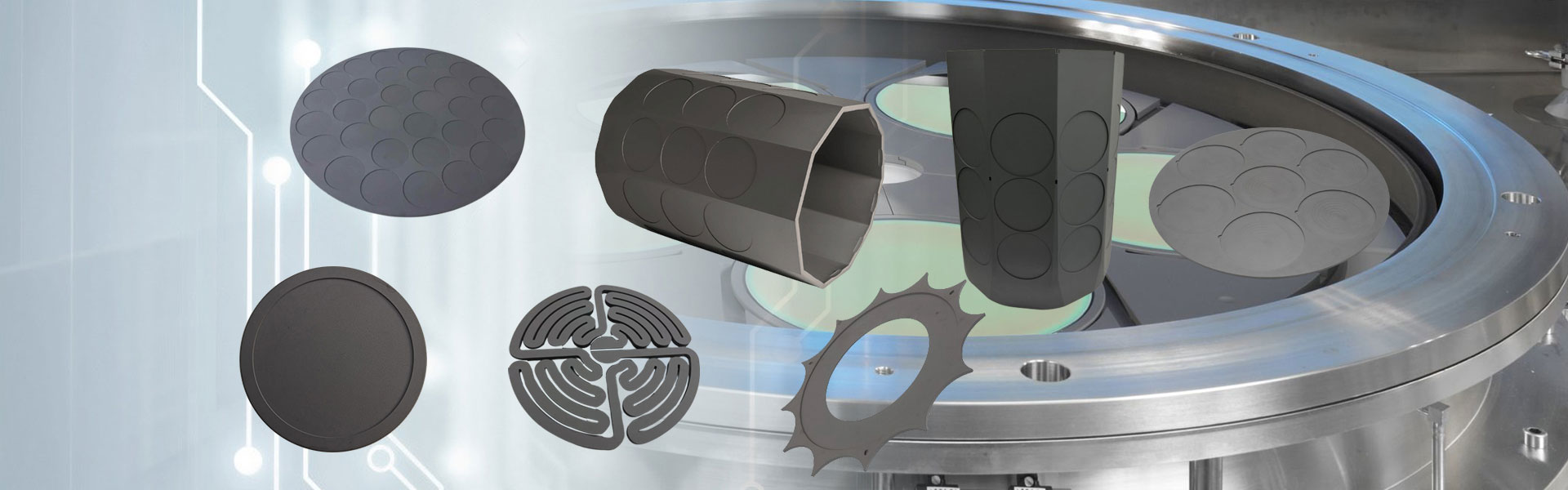
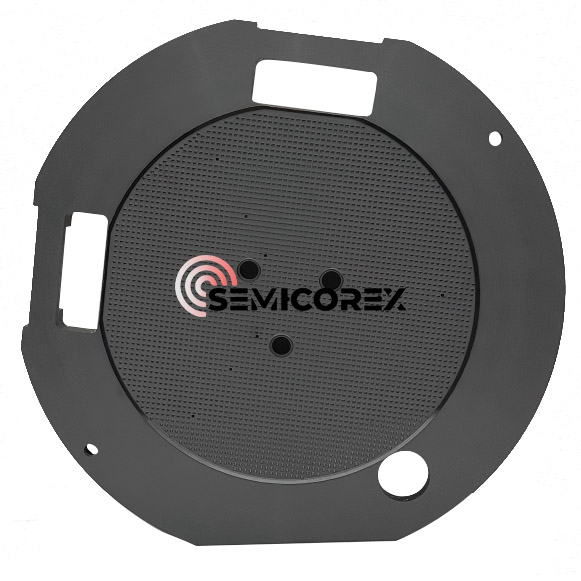
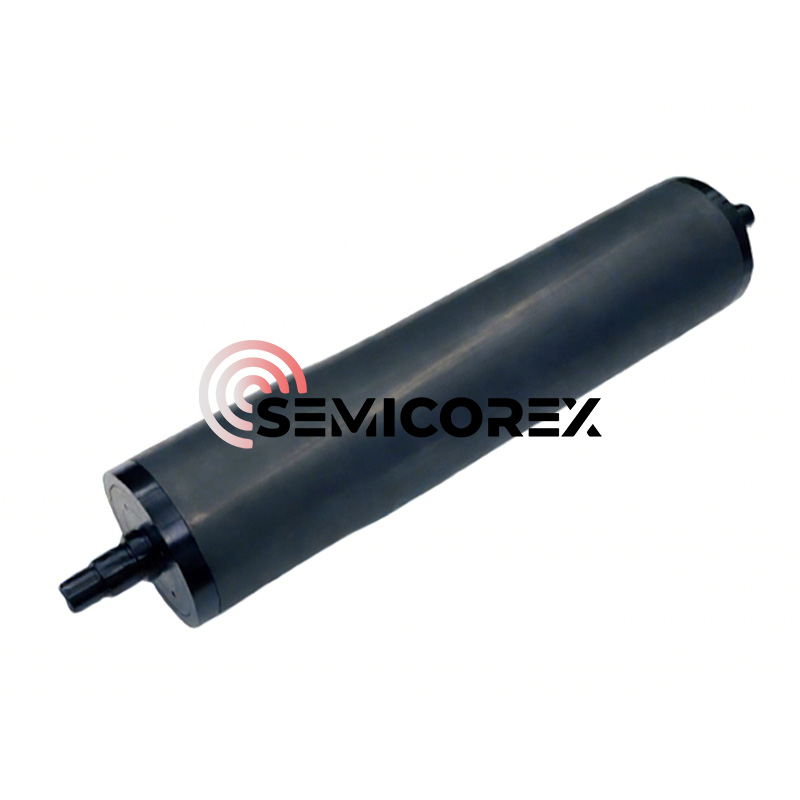
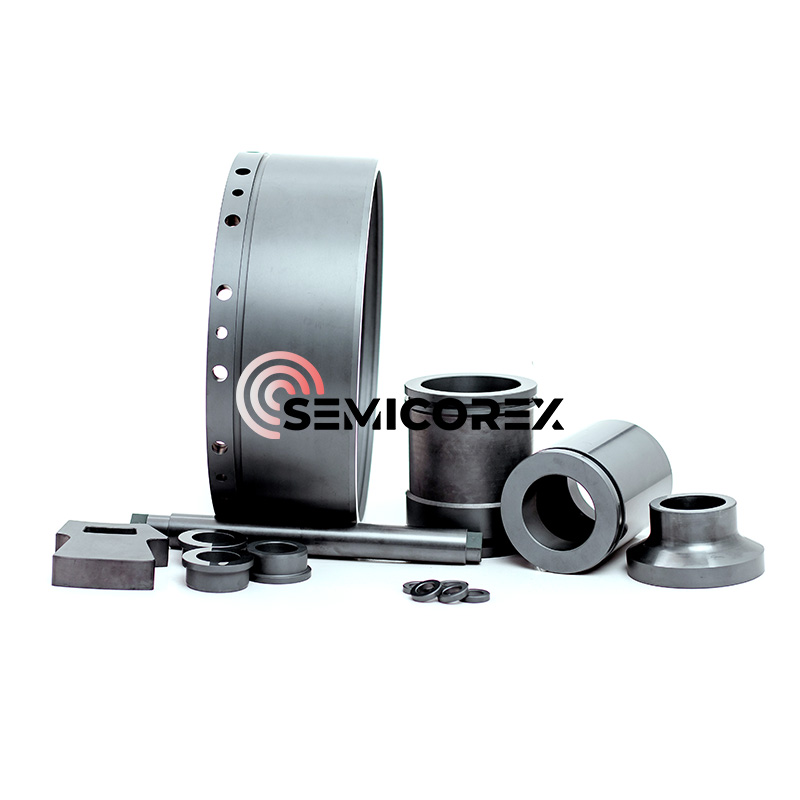
Isostatically pressed graphite is widely used in semiconductor manufacturing processes. It is used in graphite components for the hot zone of single crystal growth furnaces, such as crucibles, heaters, flow guides, and insulation covers; and in graphite components used in epitaxial processes.
- View as
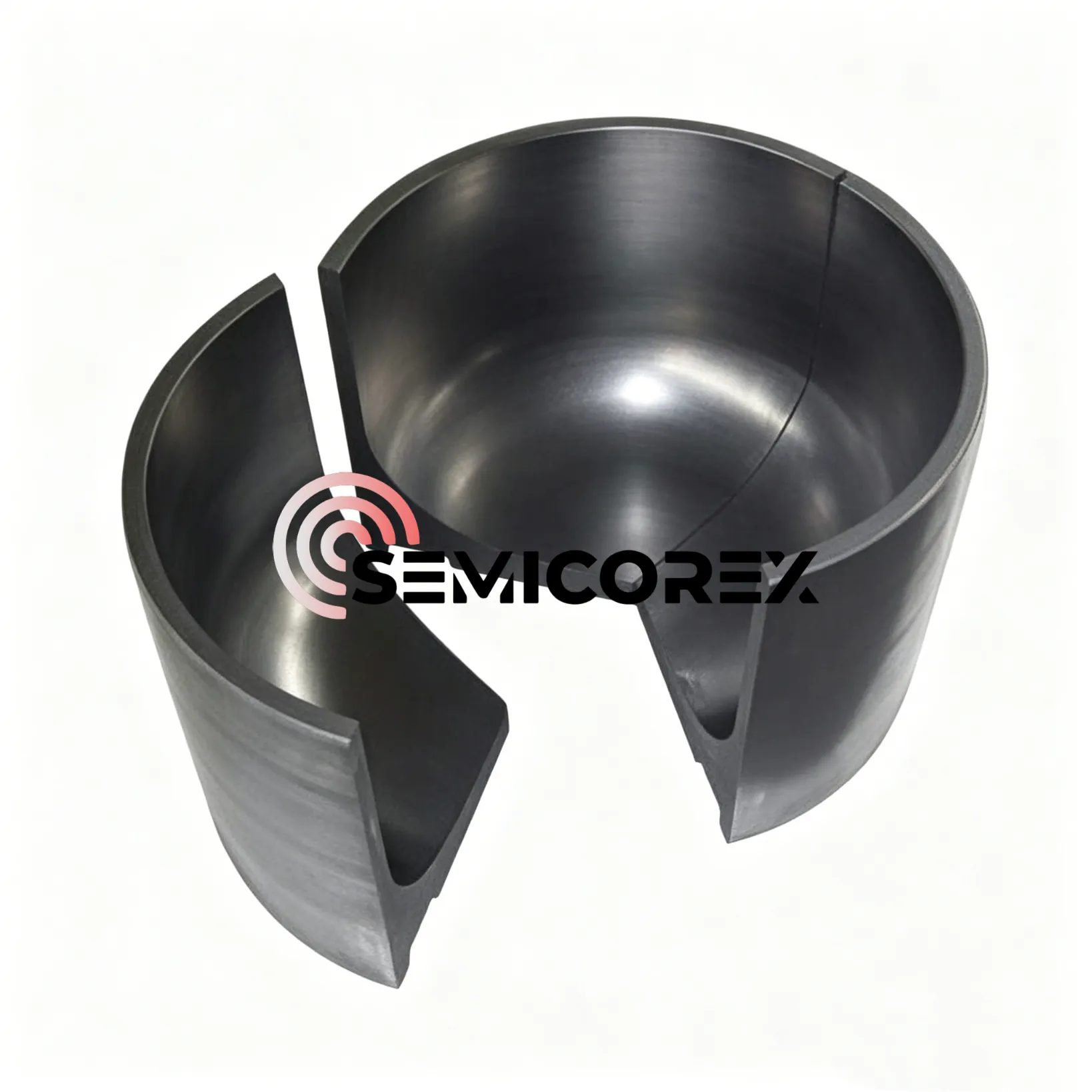
تھری پیس گریفائٹ کروسیبلز
سیمیکوریکس تھری پیس گریفائٹ کروسیبلز اعلی کارکردگی والے اسپلٹ گریفائٹ کنٹینرز ہیں جو خاص طور پر سنگل کرسٹل سلکان کی ترقی کے عمل کے لیے بنائے گئے ہیں۔ اعلیٰ درجے کے سیمی کنڈکٹر تھرمل ٹریٹمنٹ کے لیے مثالی، سیمیکوریکس تھری پیس گریفائٹ کروسیبل کوارٹج کروسیبل اور اس کے اندرونی مواد کو سنگل کرسٹل ڈھانچے کی کنٹرول شدہ نمو حاصل کرنے کے لیے قابل اعتماد طریقے سے سپورٹ کر سکتا ہے۔
مزید پڑھانکوائری بھیجیں۔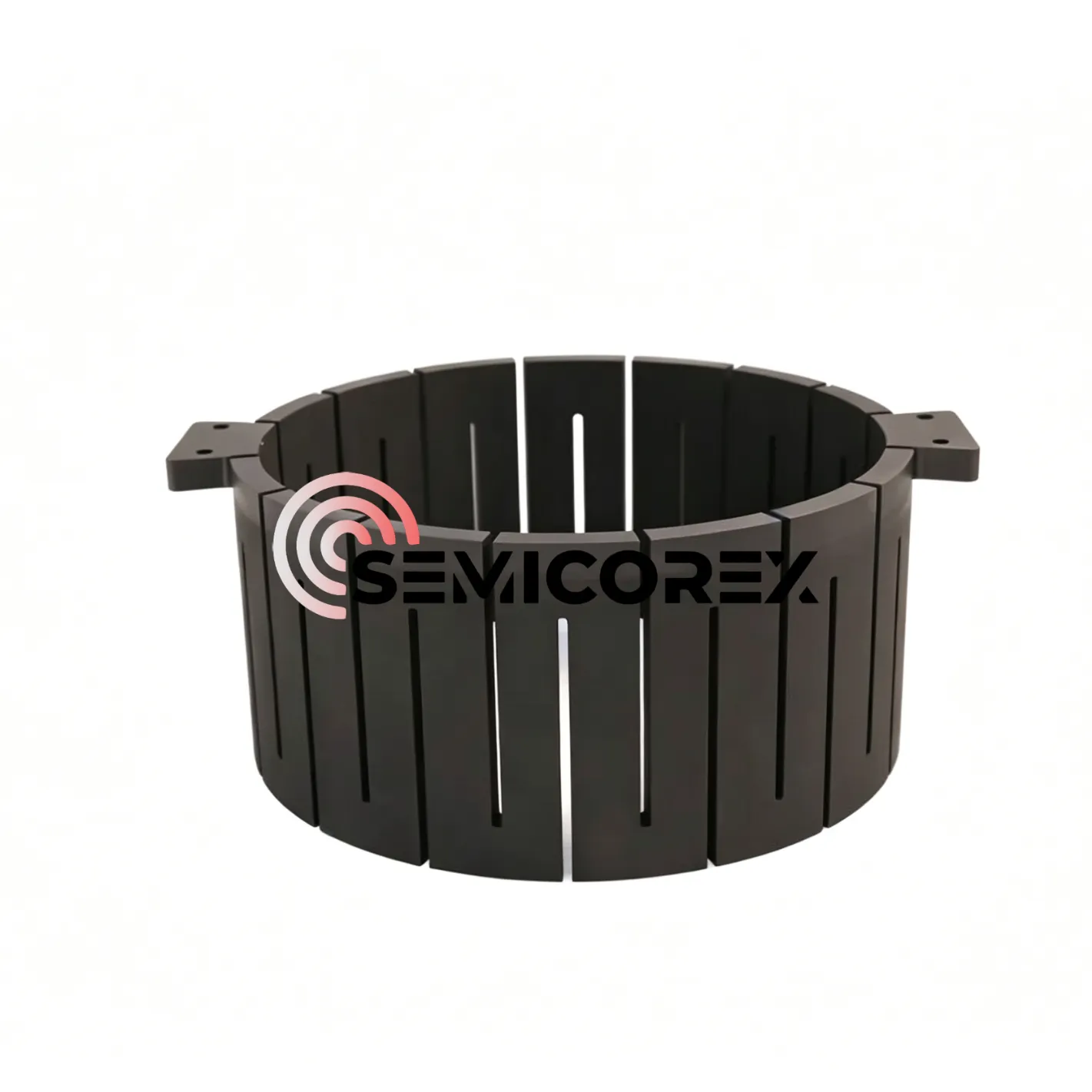
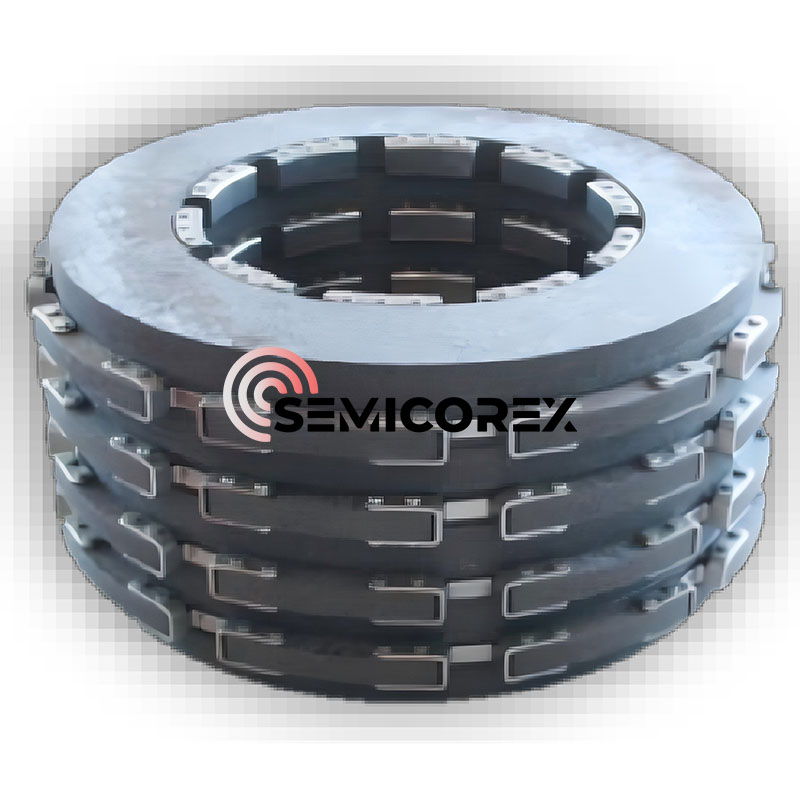
آستین کی قسم کے گریفائٹ ہیٹر
سیمیکوریکس آستین کی قسم کے گریفائٹ ہیٹر، اعلی کارکردگی والے حرارتی عناصر، بڑے پیمانے پر سنگل کرسٹل نمو والی بھٹیوں میں استعمال ہوتے ہیں۔ سیمیکوریکس آستین کی قسم کے گریفائٹ ہیٹر واحد کرسٹل فرنس میں بڑے پیمانے پر استعمال ہونے والے اہم حرارتی اجزاء ہیں، جو خاص طور پر اعلیٰ معیار کے مونوکریسٹل لائن سلیکون کی نشوونما کے لیے بنائے گئے ہیں۔ Semicorex کا انتخاب مثالی حرارتی علاج کے حل کا انتخاب کر رہا ہے۔
مزید پڑھانکوائری بھیجیں۔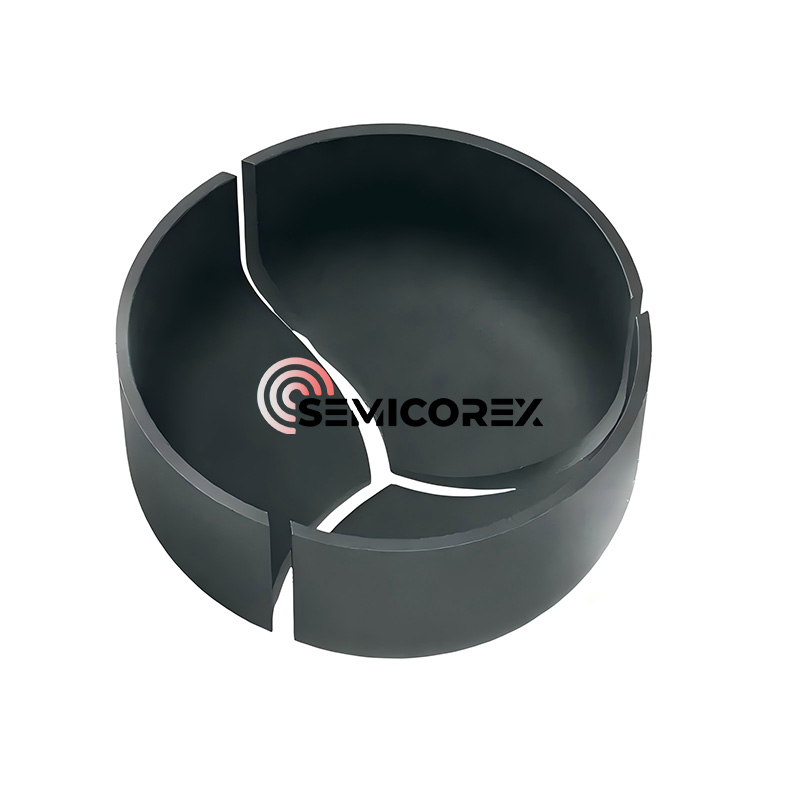
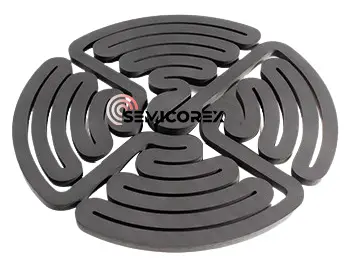
تین پنکھڑیوں والا گریفائٹ کروسیبل
سیمیکوریکس اعلیٰ پاکیزگی والے تھری پنکھڑی والے گریفائٹ کروسیبلز ایک جدید تناؤ سے نجات دلانے والے فن تعمیر کی خصوصیت رکھتے ہیں جو انتہائی سیمی کنڈکٹر تھرمل ماحول میں کرسٹل کی نمو کو زیادہ سے زیادہ کرنے کے لیے ڈیزائن کیا گیا ہے۔ سیمیکوریکس دنیا بھر میں عالمی معیار کے سیمی کنڈکٹر میٹریل سلوشنز فراہم کرتا ہے، جس سے اعلی درجے کی صنعتوں کو درستگی سے تیار کردہ گریفائٹ اور قابل اعتماد عالمی لاجسٹکس کی مدد سے سیرامک پرزے حاصل ہوتے ہیں۔*
مزید پڑھانکوائری بھیجیں۔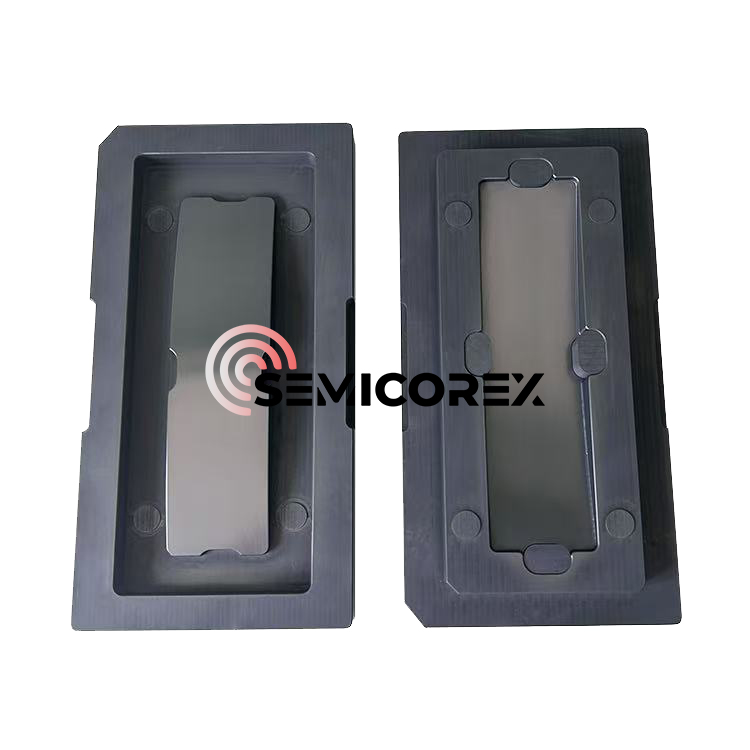
گرم جھکا گلاس گریفائٹ مولڈ
Semicorex Hot-Bent Glass Graphite Mold کو غیر معمولی اعلی درجہ حرارت کی مزاحمت، تھرمل جھٹکا استحکام، خود چکنا کرنے اور کیمیائی استحکام فراہم کرنے کے لیے باریک دانے دار، اعلی پاکیزگی والے گریفائٹ سے درست طریقے سے انجنیئر کیا گیا ہے، جو کہ کم سے کم نقائص کے ساتھ اعلیٰ معیار کے 3D خمیدہ شیشے کو یقینی بناتا ہے۔ Semicorex کو اس کی گہری مہارت، جدید مولڈ ڈیزائن، اور پیچیدہ عمل کے کنٹرول کے لیے منتخب کیا گیا ہے، مؤثر طریقے سے پیداوار کو زیادہ سے زیادہ کرنے اور پیداوار کی انتہائی ضروری ضروریات کو پورا کرنے کے لیے۔*
مزید پڑھانکوائری بھیجیں۔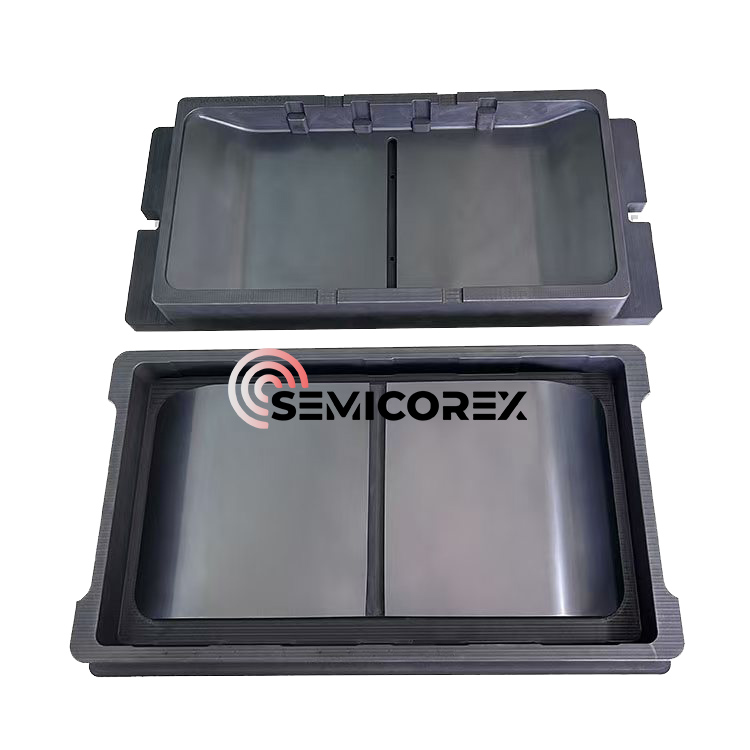
3D گرم موڑنے والا گلاس گریفائٹ مولڈ
Semicorex 3D Hot Bending Glass Graphite Mold ایک اعلی درجے کا isostatic graphite mold ہے جو گرم موڑنے والے 3D مڑے ہوئے شیشے کے لیے ڈیزائن کیا گیا ہے، جو بہترین تھرمل استحکام، تھرمل چالکتا، پہننے اور سنکنرن کے خلاف مزاحمت، شیشے کی سطح کے معیار کو بہتر بنانے، مولڈ کی زندگی کو بڑھانے، اور نمایاں طور پر پیداواری صلاحیت کو بڑھاتا ہے۔ سیمیکوریکس کا انتخاب اس کے قابل اعتماد معیار، مسلسل فراہمی، اور دنیا بھر میں جدید ترین گریفائٹ حل فراہم کرنے میں مہارت کے لیے کیا گیا ہے۔*
مزید پڑھانکوائری بھیجیں۔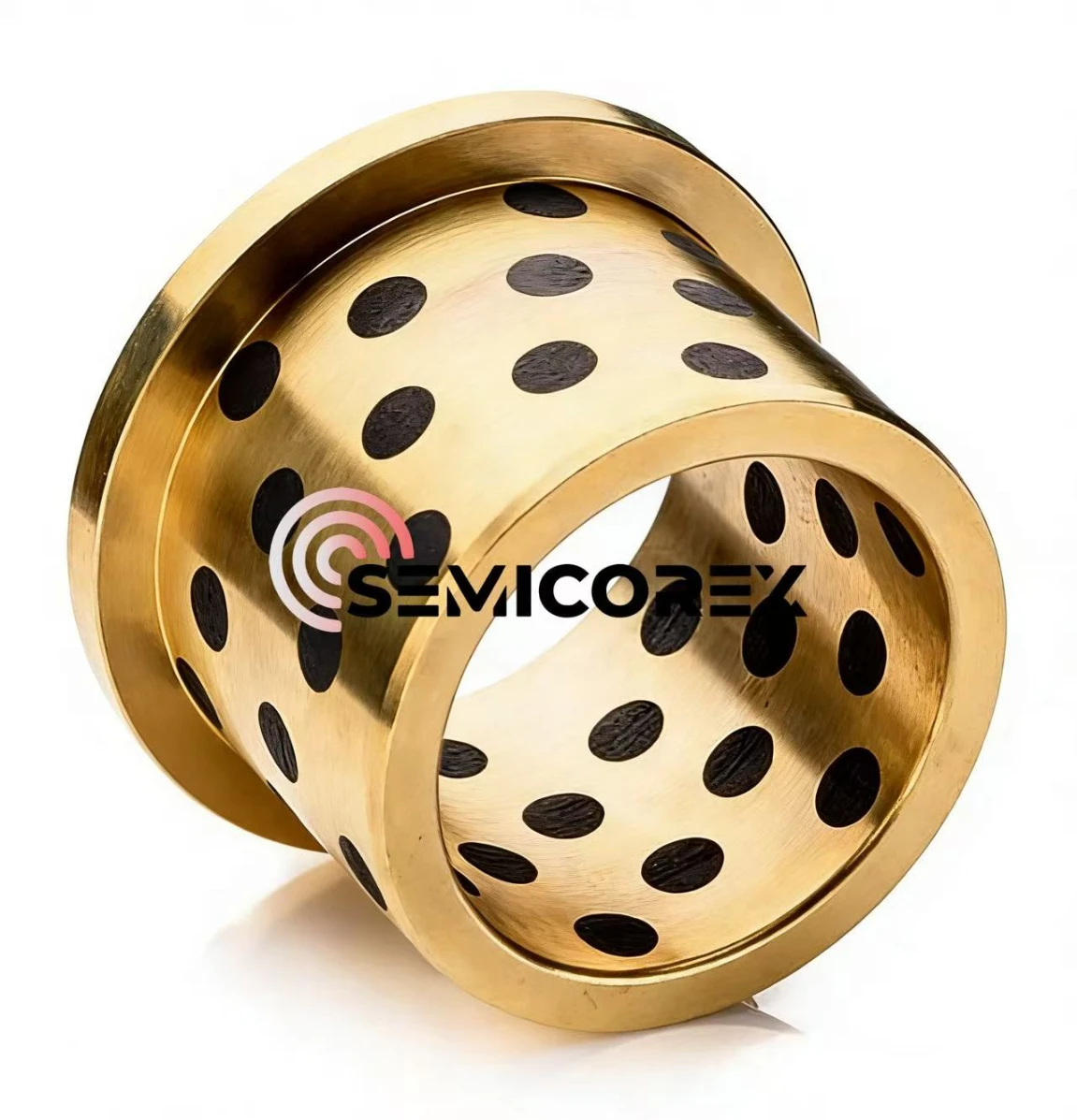
گریفائٹ خود چکنا کرنے والی بشنگز
سیمیکوریکس گریفائٹ خود چکنا کرنے والی بشنگز، جسے آئل فری بشنگ بھی کہا جاتا ہے، وہ اعلی کارکردگی والے سلائیڈنگ بیئرنگ اجزاء ہیں جو خاص طور پر بیرونی چکنا یا تیل کی سپلائی کے بغیر کام کرنے کے لیے ڈیزائن کیے گئے ہیں۔ بہترین کارکردگی کے ساتھ، سیمیکوریکس گریفائٹ خود چکنا کرنے والی بوشنگ پیچیدہ ماحول میں کام کرنے والے آلات کے لیے مثالی حل ہیں جن میں تیل سے پاک آپریشن، زیادہ درجہ حرارت، زیادہ بوجھ، کم رفتار، اینٹی فاؤلنگ، سنکنرن مزاحمت اور تابکاری مزاحمت شامل ہیں۔
مزید پڑھانکوائری بھیجیں۔
Semicorex کئی سالوں سے isostatic گریفائٹ تیار کر رہا ہے اور چین میں پیشہ ورانہ isostatic گریفائٹ مینوفیکچررز اور سپلائرز میں سے ایک ہے۔ ایک بار جب آپ ہماری جدید اور پائیدار مصنوعات خرید لیتے ہیں جو بلک پیکنگ فراہم کرتے ہیں، تو ہم فوری ترسیل میں بڑی مقدار کی ضمانت دیتے ہیں۔ سالوں کے دوران، ہم نے گاہکوں کو اپنی مرضی کے مطابق سروس فراہم کی ہے. صارفین ہماری مصنوعات اور بہترین سروس سے مطمئن ہیں۔ ہم مخلصانہ طور پر آپ کے قابل اعتماد طویل مدتی کاروباری شراکت دار بننے کے منتظر ہیں! ہماری فیکٹری سے مصنوعات خریدنے میں خوش آمدید۔